A cap is a fire safety part before it is a rain hat
Ask a fire captain about a chimney top and the first word you hear is ember, not rain. On a flue that serves a wood fireplace or a wood stove, the mesh around the cap is the only thing standing between a glowing fleck of bark and the dry brush on the slope behind the house. That is why caps turn up in fire hazard rules, on insurer questionnaires and near the top of our own inspection reports.
Bolton Chimney Company works from Santa Clarita, and a lot of the valley sits right against chaparral. Canyon Country, Sand Canyon, the upper streets of Valencia and Stevenson Ranch all have homes where open hillside starts at the back fence. When the Santa Ana winds come through in autumn, a spark that would die harmlessly on a flat street in the middle of the basin can travel a long way here. So we treat a cap on a wood burning flue as part of the fire plan for the lot, and we price it that way.
The rules a new cap has to meet
Several separate requirements land on the same small piece of metal. We check each one before we order anything.
- Spark arrestor mesh. Where a parcel falls inside a mapped high or very high fire hazard zone, the state and local fire codes expect a spark arrestor on any chimney that serves a solid fuel appliance. The weave has to be fine enough to catch embers and open enough that it does not clog with soot halfway through the winter.
- Enough open area. The gaps in the mesh, added together, must pass at least as much air as the flue itself. A cap that chokes the opening slows the draft and pushes smoke back into the room, which is a fault an inspector will write up.
- Clearance above the tile. The lid has to sit high enough over the flue for smoke to turn and leave freely. Too low and it acts like a partly closed damper.
- A listed top on a factory-built flue. Many tract homes in the valley have a metal flue inside a framed box on the outside wall. That flue was tested with a matching top from the same maker. Bolting on a generic cap can take the whole system out of its listing, and that is exactly the kind of detail an insurer's inspector notices.
- The right top for a gas vent. A gas appliance vent ends in its own listed termination. We do not fit a wood fire mesh cap to a gas vent, and we flag it when someone already has.
None of this is exotic. It simply means the thinnest cap on a shelf is often the wrong one for a house in a fire zone.
What sets the cap price
A cap from Bolton Chimney Company is quoted after we measure. Caps differ because the job is not one product. These things set your cap price, in the order they usually matter:
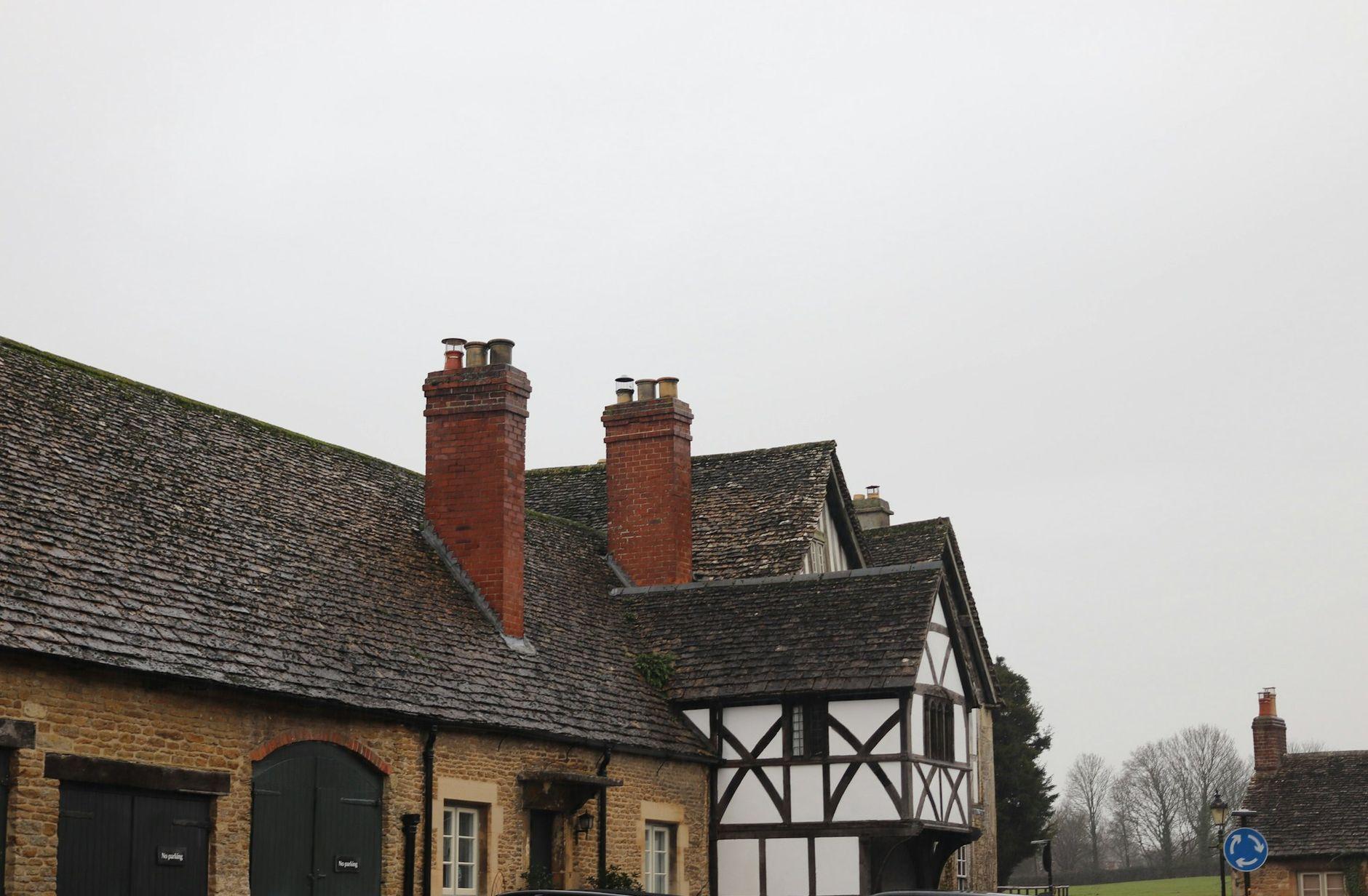
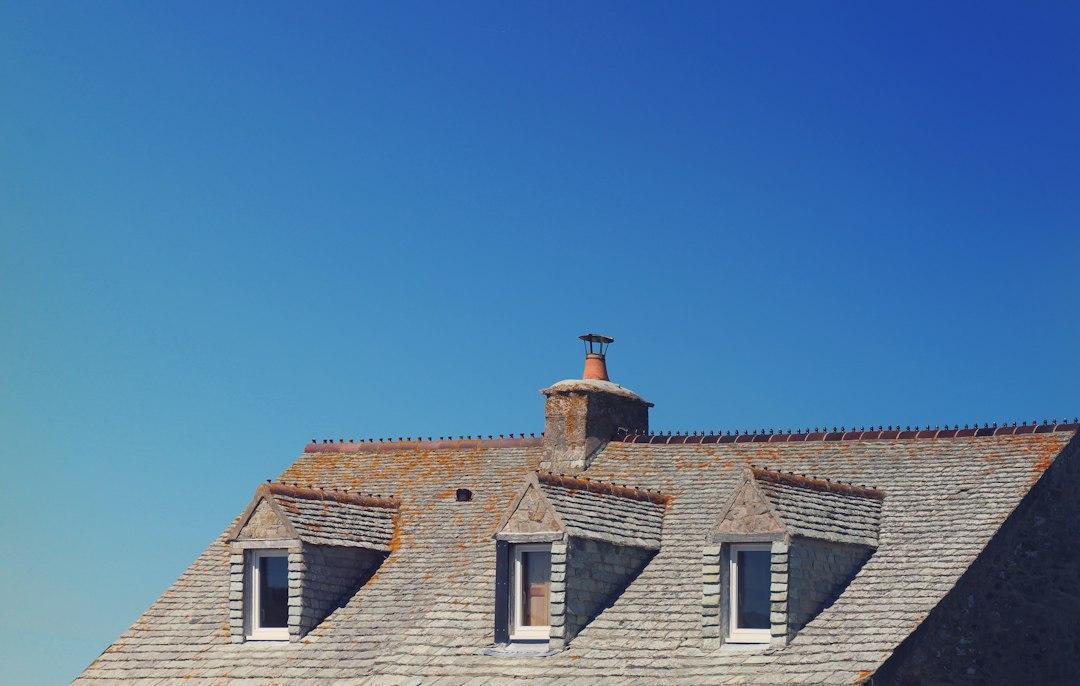
1. How many flues come out of the top. One clay tile poking through a crown takes a single cap that clamps to it. Two or three flues on one stack usually call for one cover that spans the whole crown, built to its measurements. 2. Metal and finish. Stainless steel is our normal choice on a wood burning flue. Copper costs more and is mostly picked for looks on a visible chimney. 3. Odd sizes. Older tiles and square flues that do not match stock sizes need a cap made to order. 4. Getting to the roof. A single storey ranch house with a low pitch is one thing. A two storey home with a steep clay tile roof takes more time, more care and more equipment. 5. The maker's top on a metal flue. When a factory-built chimney needs its listed top, the part comes from that manufacturer, and some are costly or slow to source.
Crown cracks, loose brick and failed flashing are separate repairs with their own written quote. We tell you if one of them has to come first, because a new cap on a crumbling crown will not stay put.
Ask for a written cap quote and tell us how many flues leave the top of your chimney, whether it is brick or a metal pipe in a framed box, and whether the yard backs onto open hillside.
What we look at on a cap that is already there
Plenty of homes in Santa Clarita, Sherman Oaks and Canoga Park already have a cap. The question is whether it still does its job. On the roof we check:
- whether the mesh is torn, burned through or packed with soot and leaves;
- whether the cap is still fixed to the flue or has been lifted by wind;
- whether rust has eaten the lid or the legs;
- whether the cap size and type match the flue and the fuel it serves.
A rusted or clogged cap is common after a few winters of heavy use. We write down what we found in plain words and quote a replacement after we measure. If the cap is fine, the report says so and nothing else happens.
Simi Valley and the county line
Simi Valley sits in Ventura County, so its air rules come from the Ventura County air district, not the South Coast district that covers Santa Clarita and the San Fernando Valley. The fire hazard mapping still applies, and many Simi Valley streets back onto the same kind of brush. For the cap itself, the requirements in the list above are the same on both sides of the line.
When a cap is part of a bigger job
A cap is often the last piece of a larger project. If you are adding an insert, the liner for it ends at the top of the chimney, and the cap goes on over it. If the stack above the roof is being rebuilt, the cap goes on once the new crown has cured. Both of those jobs are covered in our posts on insert permits and pricing and on rebuilding a chimney with a permit. Our chimney cap installation page lists what a visit includes.
Getting a cap on the house
The contact page is the place to start: give the address and a short description of the chimney top as it looks from the yard, and we will set up a visit and send back a written price for the cap your flue needs.
Need This Applied to Your Own Chimney?
Bolton reads the rule against your house, not a generic one. Tell us the finding, the letter or the plan you are working from, and we reply with the service that answers it and the listed price where there is one. Requests come in from Santa Clarita, Sherman Oaks, Canoga Park, Simi Valley and the other cities on our coverage list.