Three papers decide whether an insert is legal
An insert looks like a piece of furniture slid into the old firebox. To a building inspector it is a heating appliance, and it is judged by three documents: the label on the unit, the manual that came with it, and, where one is needed, the permit card from the city. If those three agree with what is actually in your fireplace, the install passes. If they do not, it fails, no matter how good it looks from across the room.
Bolton Chimney Company installs gas and wood inserts in Santa Clarita and across the west San Fernando Valley, and most of our planning time goes into those three papers rather than the shiny part. This post explains what each one asks for and how that turns into a price.
The label and the manual
Every insert we fit is a listed appliance. That means a testing lab ran it in a specific setup and the maker wrote that setup into the installation manual. The manual becomes the rule book for your house. It spells out:
- the smallest fireplace the unit can go into, measured at the opening, the back wall and the depth;
- how far wood trim, the mantel and the side walls must stay from the unit, which is often more than the old open fireplace needed;
- the liner, meaning its size, its material and whether it has to run the full height of the chimney;
- the hearth in front, its depth and whether it needs extra protection beneath it;
- for gas units, the venting kit, the gas line size and the shutoff location.
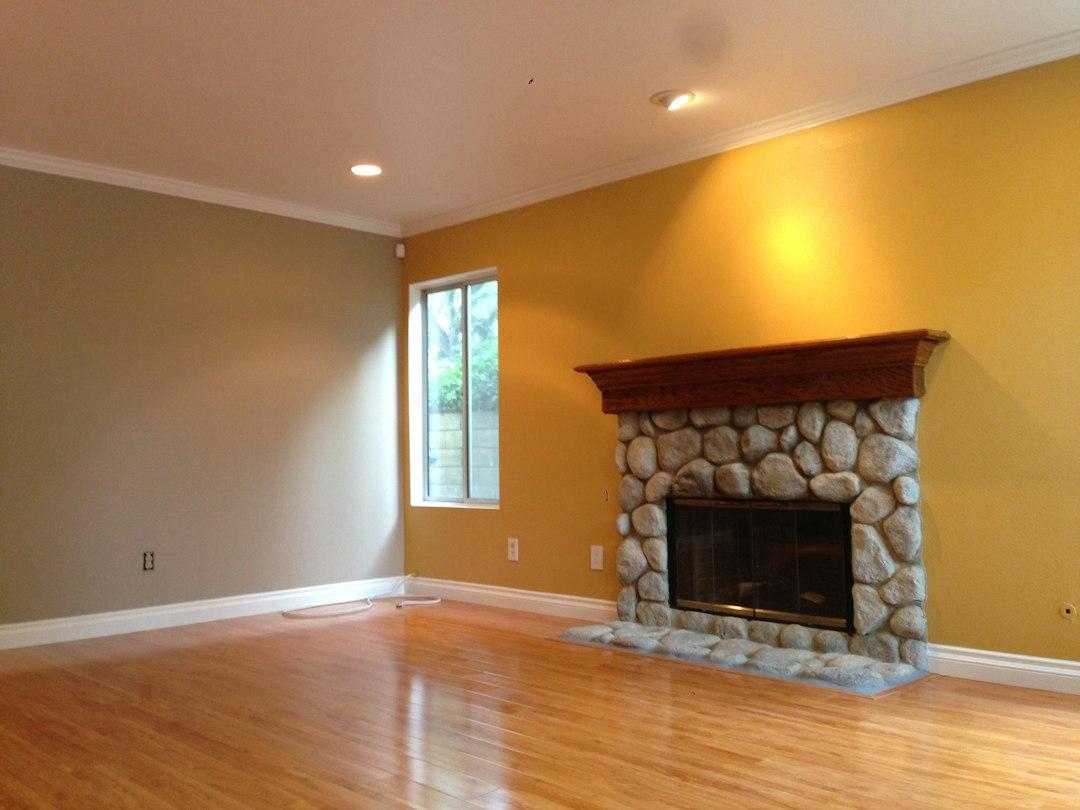
When a house fails an insert inspection, the cause is nearly always a gap between the manual and the room: a mantel that hangs a little too low, a hearth that falls short, or a liner that stops partway up the flue.
The permit question
Whether you need a permit depends on the work and the city. As a rule of thumb, running a new gas line or extending one is permit work across Los Angeles County, and so is any change to the structure of the chimney. A wood insert dropped into a sound masonry fireplace, with a liner and no gas work, is treated differently from one city to the next. Santa Clarita, the City of Los Angeles (which covers Sherman Oaks and Canoga Park) and Simi Valley each run their own building department.
We check the rule for your address before we quote, write the answer on the quote, and handle the permit when one is needed. The city's own fee is shown as a separate line, because it is set by the city and not by us.
There is also an air quality angle. In the South Coast district, which takes in Santa Clarita and the San Fernando Valley, newly built homes cannot have a permanently installed wood burning fireplace, and winter no burn days apply to wood fires in existing ones. A gas insert sidesteps both, which is one reason so many owners here choose gas. Simi Valley falls under the Ventura County air district, which writes its own rules.
The NFPA 211 piece
The fire protection code for chimneys asks for a Level 2 inspection whenever the appliance attached to a flue changes. An insert is that kind of change. In practice we fold it into the job: before we quote, we put a camera through the flue to confirm it can take a liner and that nothing inside it is cracked or blocked. The findings go into the quote. If the flue needs repair before the insert can go in, you see that before you spend anything on the unit.
What an installed insert costs here
A gas insert, fitted into a working fireplace you already have, runs $2,650 to $5,350 installed. The low end is a compact unit in a standard opening with gas already at the hearth. The high end covers larger units, higher heat output, a remote with a thermostat, decorative fronts and a longer liner on a tall two storey chimney.
Things that push the number up inside that range:
1. No gas at the fireplace yet. A new line has to be run, tested and usually permitted. 2. A tall chimney or one with an offset. More liner, and more labor to feed it. 3. An odd opening. Very shallow or very wide fireboxes limit the unit choice and can add a custom surround. 4. Clearance fixes. Lifting a mantel or extending a hearth to satisfy the manual.
Building a gas fireplace into a wall that never had one is a different project with its own range, covered on our fireplace inserts page. For a wood insert, unit prices swing so widely that we put a figure on paper only once the firebox has been measured.
Ask for an insert quote in writing and tell us the fuel you want, whether gas already reaches the hearth, and how many storeys the chimney climbs.
What the finished job includes
When we finish, you have the unit set and connected, the liner run to the top with its cap, the gas line pressure tested if we touched it, and the permit signed off where one was pulled. You also get a short record listing the unit model, the liner size and length, the clearances we measured and the permit number. Keep it with the house papers. A buyer's inspector or an insurer will ask for exactly those facts, and having them on one page ends the conversation quickly.
Where to go from here
If the flue turns out to need work first, our post on flue liners and the code explains what relining involves. If you are still deciding between gas and wood, our gas fireplace repair and wood stove repair pages show what each kind needs to keep running.
When you are ready to plan an insert for a Santa Clarita fireplace, open the contact page, tell us the fuel and the room, and we will book the measuring visit.
Need This Applied to Your Own Chimney?
Bolton reads the rule against your house, not a generic one. Tell us the finding, the letter or the plan you are working from, and we reply with the service that answers it and the listed price where there is one. Requests come in from Santa Clarita, Sherman Oaks, Canoga Park, Simi Valley and the other cities on our coverage list.